October 27, 2026
Selecting the right materials is one of the most important steps in creating an attractive, functional outdoor environment. Whether you're designing a patio, walkway, driveway, or entertainment area, your choices will influence the appearance, durability, and maintenance requirements of the finished space. Planning a hardscaping project involves understanding your property's needs, evaluating environmental conditions, and comparing available materials. Thoughtful decisions can help prevent unnecessary expenses while ensuring your outdoor improvements remain practical for years. By considering factors such as climate, traffic, drainage, and aesthetics, property owners can create beautiful spaces that complement their homes and landscapes.
Assess Your Project's Primary Purpose
Before selecting materials for your hardscaping project, determine how the outdoor area will be used. A patio designed for entertaining guests has different requirements than a driveway supporting heavy vehicles. Walkways must provide comfortable passage, while outdoor kitchens require surfaces that withstand cooking activities, moisture, and frequent cleaning. Understanding these differences helps identify materials with suitable performance characteristics.
Consider how frequently people will use the space and what furniture or equipment it must accommodate. Concrete pavers offer versatility for patios and pathways, while natural stone provides distinctive textures and visual appeal. Driveways generally require materials and base construction capable of supporting substantial weight. Matching material properties to everyday activities creates an outdoor environment that balances appearance, safety, and functionality.
Identify Your Preferred Design and Aesthetic
The materials you select should complement your home's architecture and existing landscape features. Contemporary properties often benefit from large concrete slabs, geometric pavers, and neutral colors. Traditional homes may pair beautifully with brick pathways, natural stone patios, and textured surfaces. Establishing a consistent design direction helps create visual harmony throughout your property.
Color, texture, shape, and installation patterns all influence the finished appearance. Light-colored surfaces can create an open, inviting atmosphere, while darker materials provide dramatic contrast against surrounding greenery. Combining complementary materials can introduce visual interest without overwhelming the design.
When planning hardscaping improvements, consider how your preferences might evolve. Timeless materials and coordinated colors can remain attractive even as outdoor furniture, landscaping, and decorative features change. According to Opendoor, front walkway upgrades can return nearly 100% of their cost at resale, highlighting the potential value of thoughtful exterior improvements. However, actual returns depend on the property, local market, and project expenses.
Analyze Available Space and Layout Requirements
Accurate measurements are essential for determining material quantities and developing an efficient layout. Evaluate the dimensions of your outdoor area, including existing structures, trees, garden beds, and property boundaries. These features can influence where patios, pathways, and retaining walls should be positioned.
Consider how people will move between different sections of the property. Walkways should provide sufficient clearance for comfortable movement, while seating areas need enough space for furniture and circulation. Carefully planned layouts prevent overcrowding and improve accessibility.
Material dimensions also affect installation patterns and waste. Larger pavers may create a spacious appearance, while smaller units accommodate curves and intricate designs. Preparing a detailed site plan allows you to estimate quantities more accurately and minimize unnecessary purchases. Thoughtful spacing can also preserve room for future landscaping improvements.
Consider Traffic Levels and Surface Safety
Different outdoor surfaces experience varying levels of wear. Frequently used walkways, driveways, and gathering areas require materials capable of handling repeated pressure and environmental exposure. Concrete, brick, and properly installed stone pavers are common options for demanding applications.
Safety should be another priority when selecting hardscaping materials. Smooth surfaces can become slippery when wet, making textured finishes particularly valuable around swimming pools, entrances, and outdoor steps. Choosing surfaces with appropriate slip resistance helps improve everyday usability.
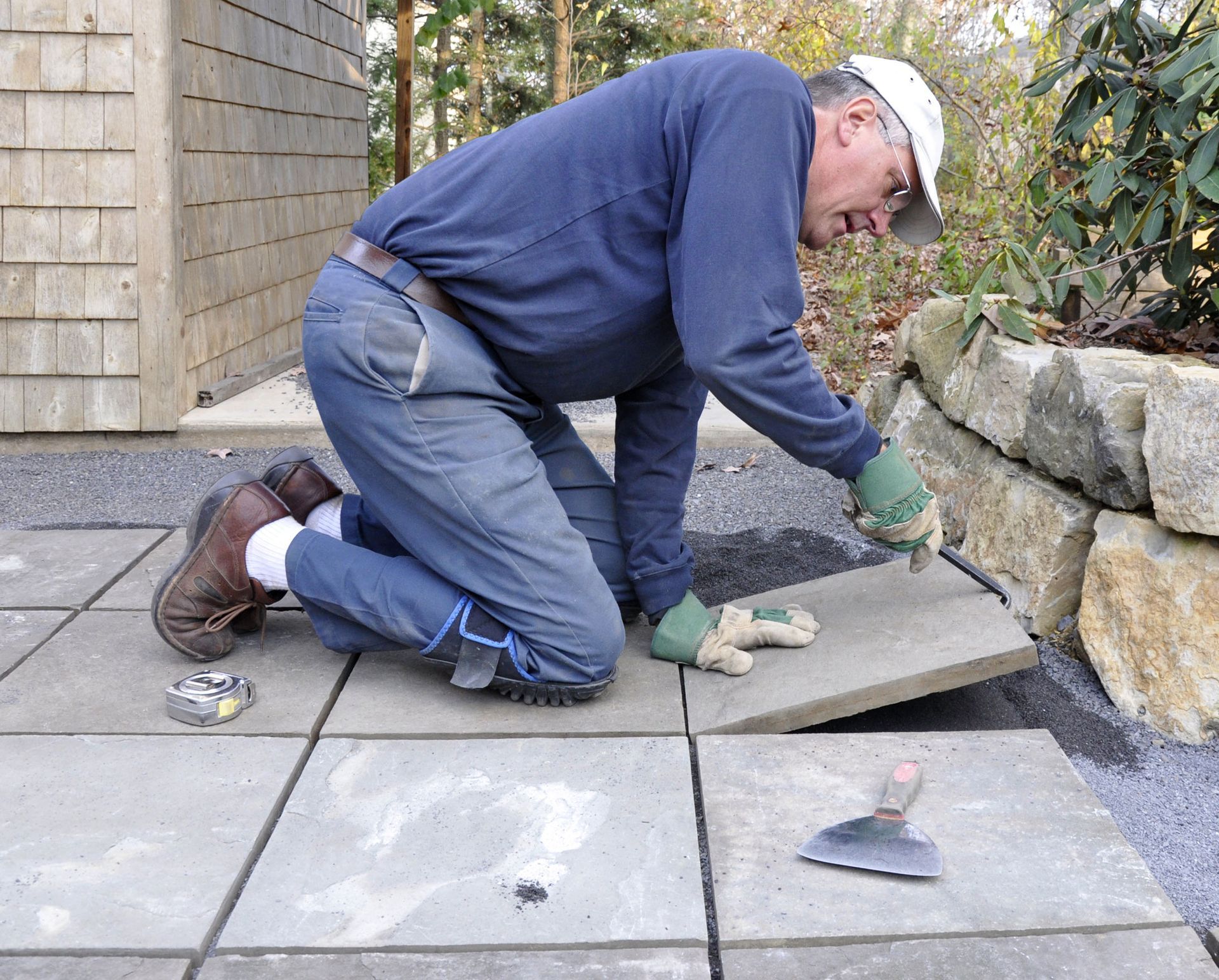
Additionally, consider maintenance requirements in high-traffic areas. Surfaces exposed to vehicles, dirt, and outdoor cooking may need periodic cleaning or protective treatments. Selecting materials that are easy to repair or replace can reduce long-term inconvenience. Individual pavers, for example, may be removed and replaced without reconstructing an entire surface.
Evaluate Local Climate and Weather Conditions
Weather conditions significantly influence material performance. Regions experiencing freezing temperatures require products capable of tolerating repeated freeze-thaw cycles. Materials that absorb excessive moisture may crack or deteriorate when trapped water freezes and expands. Selecting appropriately rated products helps reduce this risk.
In warmer climates, surface temperatures become an important consideration. Dark paving materials can absorb substantial heat, potentially making patios uncomfortable during summer afternoons. Lighter colors may help reduce heat absorption, although performance varies according to material composition and finish.
Coastal environments present additional challenges involving salt exposure, humidity, and wind. Certain metals and finishes may require protective treatments to prevent corrosion. Evaluating regional weather patterns allows homeowners to select hardscaping products that withstand local conditions while preserving their appearance. Proper installation techniques are equally important for maintaining structural integrity during seasonal changes.
Examine Soil Conditions and Drainage Needs
Successful hardscaping depends on more than the visible surface. Soil composition, ground stability, and drainage conditions determine how well an installation performs over time. Clay-heavy soils may retain moisture and experience movement, while sandy soils often drain more readily but require appropriate compaction and stabilization.
Before construction begins, evaluate how rainwater travels across your property. Improper drainage can contribute to standing water, soil erosion, and deterioration beneath paved surfaces. Establishing suitable slopes and preparing a stable foundation helps protect the installation.
Permeable pavers may provide an environmentally conscious solution where site conditions permit. These systems allow water to pass through designed openings into an appropriately constructed aggregate base. However, they require suitable soil conditions, drainage planning, and ongoing maintenance. Consulting an experienced contractor can help identify practical solutions for challenging terrain.
Compare Natural and Manufactured Materials
Natural and manufactured products offer different advantages. Natural stone, including granite, slate, and limestone, provides distinctive colors and textures that can enhance outdoor spaces. Because each piece varies, stone installations often create a unique appearance. However, some varieties require sealing or specialized maintenance.
Manufactured products, including concrete pavers and outdoor-rated porcelain, offer consistent dimensions and numerous design options. Their uniformity can simplify installation and produce precise patterns. Some manufactured surfaces also replicate the appearance of natural stone at different price points.
When comparing hardscaping materials, examine durability, installation requirements, availability, and replacement costs. Natural products are not automatically more sustainable or durable than manufactured alternatives. Transportation distances, production methods, and expected service life all influence their environmental impact. Selecting products based on verified performance characteristics helps ensure dependable results.
Calculate Installation and Maintenance Costs
Developing a realistic budget requires looking beyond the initial purchase price. Material expenses represent only one portion of the total investment. Excavation, grading, foundation preparation, labor, drainage improvements, and finishing treatments can significantly influence project costs.
Some inexpensive materials may require additional maintenance or earlier replacement, increasing expenses over time. Conversely, premium materials may offer longer service lives when installed correctly. Comparing estimated lifetime costs provides a clearer understanding of overall value.
Ask contractors for detailed estimates identifying materials, labor, preparation requirements, and potential additional expenses. Include a contingency allowance for unexpected site conditions. Researching cleaning methods, sealing recommendations, and repair procedures can also help you anticipate future responsibilities. A balanced budget prioritizes reliable construction without sacrificing the appearance or functionality you want.
Successful hardscaping requires balancing aesthetics, durability, environmental conditions, and financial considerations. Working with knowledgeable professionals can help ensure materials are installed over suitable foundations and meet relevant construction standards. By carefully evaluating your options and anticipating future needs, you can create an outdoor environment that enhances everyday living, complements your property, and delivers lasting enjoyment. Contact our team at Marsh Haven LLC today and learn more about our hardscaping services.